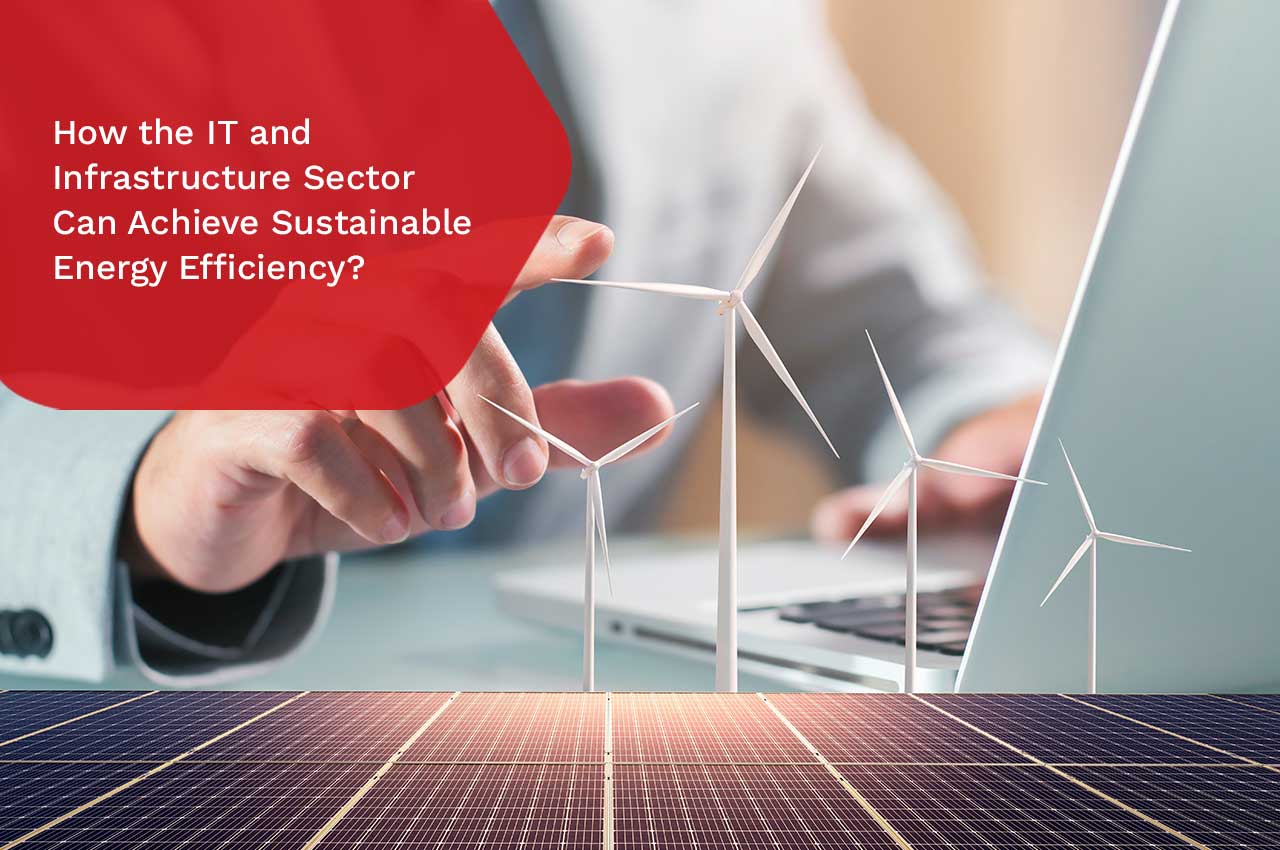
How the IT and Infrastructure Sector Can Achieve Sustainable Energy Efficiency?
The increasing need for digital transformation has put a lot of stress on the IT and infrastructure industry to always function and provide services effectively. Data centres, smart offices and digital infrastructure consume enormous amounts of energy every day. Sustainable energy efficiency should not be viewed as merely an environmental obligation but rather a business need.
Sustainable energy means utilising energy efficiently, responsibly and with a long-term sustainability approach. At LS Electricals, we assist organisations in executing smart electrical solutions to improve energy efficiency throughout IT and infrastructure activities.
What Does Sustainable Energy Efficiency Mean in the IT and Infrastructure Sector?
Within the IT and infrastructure ecosystem, sustainable energy efficiency simply means using energy resources wisely to achieve the greatest output with the least waste. Ultimately, it is achieving operational effectiveness and excellence while managing the carbon footprint and the adverse impacts on the environment. The focus is on performance, reliability and environmental impact, which is achieved through ongoing monitoring, optimisations and renewable energy intervention.
For IT facilities, extending from data centres, corporate offices and server farms, sustainable energy efficiency is about implementing systems that save energy at all levels. From energy-efficient servers to smart power distribution, mechanically superior cooling systems and IoT-based monitoring, it all leads to a more sustainable ecosystem. LS Electricals are supplying systems to companies to ensure everything operates at optimal performance whilst minimising energy loss.
In infrastructure projects, sustainable energy efficiency also involves green building designs, smart lighting technology and the use of renewable energy sources. Today, infrastructures utilise automation and sensors to more efficiently manage lighting, heating and ventilation. In doing so, they cut costs, eliminate waste and contribute to global sustainability standards.
In the end, sustainable energy efficiency provides the ability to do more with less energy while generating strong performance and productivity, offering a long-term path for growth that also protects natural resources.
Why Is Energy Optimisation Critical for IT Facilities and Infrastructure Projects?
Improving energy efficiency in information technology is important for both cost and environmental reasons. Information technology operates 24/7, so even small inefficiencies can turn into large amounts of energy wasted over time. Higher energy efficiency provides more assurance in terms of reliability and cost savings, while at the same time, promoting sustainability practices.
- Reducing operation expenses
Energy is one of the largest operating costs of the IT sector. When an IT organisation improves its energy efficiency, it can save energy, reduce inefficiencies in monitoring energy usage and load management under controlled conditions of a predictable energy consumption rate, while still implementing energy-efficient equipment and/or automation to achieve sustainable energy efficiency while controlling costs.
- Increased system reliability
Efficient energy use and proper energy management ensure that IT equipment can operate within acceptable temperature and power ranges. To achieve this reliability, it is critical to use an optimal power supply and cooling that is energy efficient. This will eliminate excessive heating of devices, major component failure, and unnecessary downtime, while making the system a more stable system at the same time. LS Electricals’ solutions in the areas of smart power distribution and efficient electrical components all help to secure this sustainable reliability.
- Advancing Environmental Objectives
The IT industry is a significant contributor to worldwide energy consumption. By leveraging sustainable energy efficiency initiatives, including renewable energy adoption, cooling efficiency and data virtualisation, businesses can minimise carbon emissions and fulfil climate action goals.
- Ensuring Compliance & Global Standards
Governments and other regulators are actively encouraging industry to adopt sustainable energy efficiency practices. Meeting these standards provides advantages, such as incentivising brand loyalty, and can support the adoption of certifications such as ISO 50001 or LEED.
- Providing Future Scalability
IT systems that are designed to use minimal energy will expand without a corresponding increase in energy use. This will result in sustainable energy efficiency becoming a significant aspect of future-ready infrastructure.
Final thoughts
The path forward for IT and infrastructure systems is through the use of robust, efficient, and environmentally conscious systems. Now, achieving energy-efficient solutions is an imperative for cost savings, resilience, and ecological stewardship.
With applicable technologies, processes, and partnerships like LS Electricals, organisations can successfully implement energy optimisation in the IT sector via the use of the IT infrastructure, contributing to a cleaner, smarter, and more sustainable world.
FAQs
- What is sustainable energy efficiency in IT and infrastructure?
It is the smart use of energy to maximise output, reduce waste, and lower environmental impact.
- Who can help implement energy optimisation in ITsector?
Companies like LS Electricals provide solutions and guidance for effective energy management.
- How can IT facilities practice sustainable energy efficiency?
By using energy-efficient hardware, smart automation, and renewable energy integration.


 Brands





 Applications


 Recent Posts